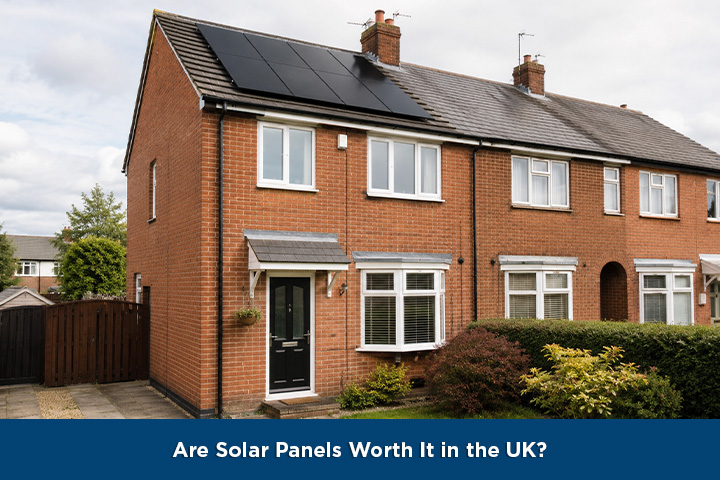

Solar panels may be worthwhile for many homes in the UK, depending on the specific home. There are several factors that determine whether this is the case or not, some of which include the type of roof one has, energy consumption patterns, the size of the system, and its costs.
Why Are Solar Panels Worth It in the UK?
Consider your roof, energy usage habits, and budget before adding solar panels. Using solar energy can decrease the amount of electricity supplied by your energy provider across the UK. This way, you can cut expenses significantly.
Solar panels can generate electricity and reduce household electricity usage from the grid in the UK. The benefits of solar include cleaner power and lower grid use. The benefits of solar panels can support long-term home savings. However, savings largely depend on the amount of electricity generated by your panels.
How Do Solar Panels Work?
The kind of panel affects the pricing, performance, and amount of roof space required. Solar PV panels transform sunlight into electricity for the household. Solar panels are designed to work outdoors. A domestic solar panel system usually connects to your home’s electrical system. A home solar panel system can include panels, an inverter, and storage.
This is the panel system in the UK used by many homes. The panels generate electricity during daylight, even when the sky looks cloudy. Your home uses solar electricity before grid power, making solar energy and use more efficient. A solar battery can store unused power for later use.
Off-grid solar living is feasible but difficult to achieve in the UK. However, the majority of homeowners opt for hybrid installations to use solar and grid energy. If you want professional advice, contact a solar installer today.
What Types of Solar Panels Are Available?
Several kinds of solar panels exist, yet two of them are most popular for UK residents.
1. Monocrystalline Solar Panels
This kind of panel tends to be more efficient than other options for households. However, they usually cost more than polycrystalline panels. Yet, they require less roof space for installation than other solar panels.
2. Polycrystalline Solar Panels
They tend to be cheaper than monocrystalline ones. However, they are less efficient and require more roof space than others. These panels can suit homeowners who do not have much money for solar systems. Your installer can help to choose the best panel for you.
How Much Do Solar Panels Cost?
The cost of solar panels depends on system size, equipment, and installation. An average solar panel system can cost several thousand pounds for a UK home. The cost of solar panels will depend on size, equipment, and installation.
The cost of solar panels can be calculated by multiplying £650 to £750 by the number of panels your home will require. Let’s suppose, your property requires 12 panels, the total estimated cost will be between £7,800 to 9,000 (i.e. £650×12 to £750×12)
The upfront cost of solar panels may seem high, but panels can save you money. The cost of installation also depends on your roof, equipment, and solar panel installation. A local solar panel installer can check your roof and estimate solar output.
How Much Can You Really Save?
Savings with solar panels largely depend on your habits of using energy and your energy consumption. Households with solar panels tend to save money when they consume electricity during the daytime. More savings can be expected when more solar electricity is used. The number of panels determines how much electricity your system can generate.
The table below gives simple estimates for different UK home sizes. Actual results will vary with location, roof space, shading, and electricity use.
| Home size | Recommended solar PV system | Solar electricity generation per year | Installation cost | Annual savings* |
|---|---|---|---|---|
| 1 – 2 bedrooms | 3 kWp | About 2,500 kWh | About £6,000 | About £480 |
| 3 – 4 bedrooms | 4 – 5 kWp | About 3,400 – 4,250 kWh | About £7,500 – £9,500 | About £700 – £800 |
| 5 – 6 bedrooms | 6 kWp | About 5,000 kWh | About £11,000 | About £1,060 |
Your actual electricity your panels generate may be higher or lower. A solar calculator can give a more personalised estimate for your home. The Energy Saving Trust’s solar energy calculator considers your property and electricity use.
What Is the Smart Export Guarantee?
The Smart Export Guarantee allows you to earn from unused electricity produced by solar panels. Your energy supplier can provide you with a tariff for exported electricity. This money can help to repay your initial expenses.
Are Solar Batteries Worth It?
Battery storage is not necessary, yet it can positively impact the usage of solar electricity. Solar batteries can store unused solar energy during sunny days. Storage of solar electricity can help to increase savings, especially when there is intensive usage of electricity after sunset.
However, batteries are an additional expense when buying a solar PV system. Compare your savings and the cost of batteries before purchasing.
What Affects Solar Panel Savings?
Several factors can determine whether it is worthwhile to invest in solar panels for your house. Orientation of the roof, its size, shading, and weather conditions in your area influence the electricity generated by solar panels.
Shading by trees or neighboring buildings can negatively affect the amount of electricity generated by solar panels. The usage of electricity per day also impacts the usage of solar electricity. All these factors should be considered while installing a system.
What Are the Benefits of Solar Panels?
The main benefits of installing solar panels in the UK include:
- Lower electricity bills over time.
- Less reliance on grid electricity.
- Potential income from exported electricity.
- Cleaner energy for your home.
- Better use of renewable solar energy.
- Long-term savings after the payback period.
- Solar panels can work for many years.
- Solar panels are generally low maintenance.
Things You Must Know About Solar Panels
1. The Upfront Cost Can Be High
The purchase of solar panels requires significant initial investment. The average cost of the solar panel installation process is around £7,800, depending on the size of the system.
2. You Could Save Hundreds Each Year
Using the electricity your panels generate can reduce your bills. Some households could save hundreds of pounds each year.
3. You Need an Export Tariff
You need an export tariff to get paid for unused electricity. SEG rates can differ greatly between energy suppliers.
4. Payback Takes Time
The solar panel payback period can take around 10 years or more. Your exact break-even point depends on your system and savings.
5. Use Your Solar Power During Daylight
Using your own solar electricity usually gives better savings than exporting it. Run appliances during daylight when your panels are generating power.
6. Batteries Can Extend Payback
Solar batteries can increase your self-use of solar electricity. However, their extra cost could add years to your payback period.
7. Not Every Home Is Suitable
A north-facing roof is less suitable for solar panels. Your roof should have low shading between 10 am and 4 pm. You also need enough space for the number of panels required. Your roof should be strong and in good condition.
Flat roofs may need extra mounting equipment, which may increase costs. You generally will not need planning permission for standard installations. However, check local rules before installing a solar system.
8. Moving Soon May Not Make Financial Sense
If you may move within the next decade, solar may not be worth it. A longer stay gives you more time to recover the installation cost.
9. Do Not Assume Panels Add Their Full Cost
Installation of solar panels can increase the attractiveness of your house to certain buyers. Yet, you cannot assume that the return on investment will be 100 percent.
10. You Can Still Change Energy Suppliers
Usually, installation of solar panels does not prohibit you from switching energy providers. Thus, you can compare tariffs and choose the appropriate supplier.
11. Solar Panels Can Last Around 25 Years
Solar panels are designed to work for many years. Many systems have warranties covering around 25 years of performance.
12. Solar Panels Need Little Maintenance
Solar panels are generally low maintenance after installation. You should still check the system and keep nearby shading under control.
How to Find Out If Solar Panels Are Worth It
Start by checking panels on your roof, energy use, and current electricity costs. The Energy Saving Trust’s solar energy advice can help you understand your options. Its Saving Trust’s solar energy calculator can also estimate potential savings. Compare quotes from several qualified solar panel installers.
Ask about the size of the system, quality of panels, battery storage, and expected production of electricity. Learn how solar panels can be fitted into your household and how long the installation process will take. Solar panels should have enough roof space and secure mounting. You should not choose the cheapest offer among the quotes.
Should You Buy Solar Panels?
Whether it is worthwhile to buy solar panels depends on many factors. A solar PV system can lower the costs related to electricity usage for most UK households. With suitable roof space, installing a solar system could be worthwhile. If you live in the UK, solar can still suit many homes.
You should compare the upfront cost with expected bill savings. Consider battery storage if you use little daylight power. A good solar panel installer can help you discover if solar panels suit your needs. You can get a solar panel quote before choosing a system.
Final Thoughts
Thus, for the majority of suitable households, installation of solar panels will help to save money in the long term. However, the best solution depends on your roof, budget, and energy consumption. Before making the purchase, compare costs, savings, the size of the system, and batteries.
Solar panels can offer useful power when they are generating. Use the right system to make solar work better at home. Good design can help make solar panels more useful. Choose suitable solar panels for your home after comparing quotes.
Frequently Asked Questions
How Long Do Solar Panels Last?
Solar panels are designed to provide electricity for many years. You need to know about solar costs, output, and maintenance. Most quality panels can continue working for up to 3 decades, while solar panels are generally low maintenance.
Are Solar Panels a Good Investment?
Solar panels can be a good investment if your home is set up for solar generation, like the roof angle and shading and well. Usually a shorter solar panel payback period makes the whole thing feel more attractive, and less like a long wait.
However, solar panels might not be worth it for every property, it depends. Like, some houses just don’t get enough usable sun over the year.
Are Solar Panels Worth It in Scotland?
Solar panels in the UK still work pretty well, even across different regions. If they are placed on suitable roofs, they can produce electricity you can actually use at home. Scotland gets less sunlight than more southern areas, but solar panels can still generate power.
So, for suitable homes, solar panels can be worth it in Scotland too. A local solar panel installer can look at your roof, and estimate the solar output, in a straightforward way.
Are Solar Panels Worth It for Your Home?
Whether solar panels are worth it really comes down to your personal circumstances. For many homes in the UK, solar PV can be a solid investment. But the main issue is whether your roof can produce enough useful electricity, not just “some” electricity, enough to matter. Also, your savings depend on the total cost of the solar PV system you choose.
Before you buy, compare multiple installation quotes. Find out about the panel quality, system capacity, battery storage, warranties and SEG tariffs. A qualified solar panel installer can assess your roof, and also your typical energy needs, so you get a better idea if it makes sense for you.